sandeshunlimited.com

Media Training Institute In Lucknow

Best Media Training Institute in Lucknow

Introduction to Media Training Institute

The world is becoming increasingly fast-paced and in this ever changing world it becomes important that every rupee of your marketing budget work hard and deliver measurable returns. As you had seen in traditional advertising, where you pay upfront without knowing what you will get in return, performance marketing is the new buzz word where you pay only for tangible results like clicks, leads, or sales. Sandesh Media Service Help To Grow Your Business Fastly.

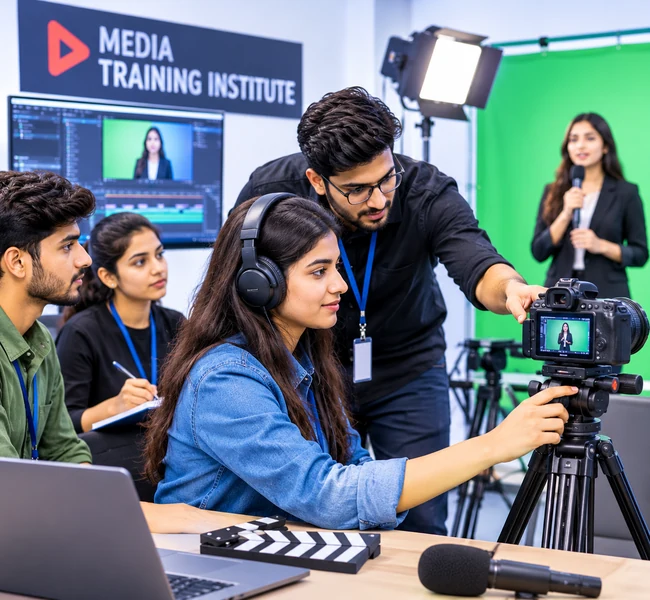
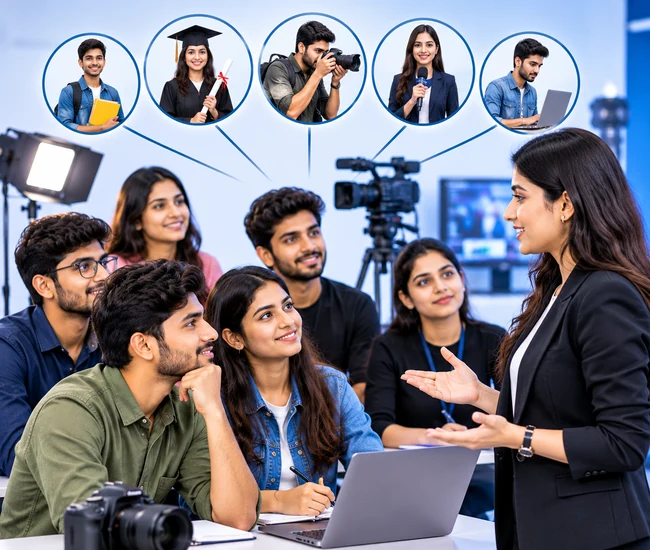
A professional media training institute focuses on combining theoretical education with practical learning. Students get opportunities to understand media communication, journalism techniques, camera handling, news presentation, content creation, and digital media platforms. Whether you want to become a journalist, news anchor, video editor, photographer, or digital media professional, proper training can help you take the first step towards your career.

Why Choose a Media Training Institute in Lucknow?

Selecting the Right institute is an important decision for anyone interested in building a career in the media industry. A good training environment helps students understand how the media sector works and prepares them for professional responsibilities.

A reputed Media Training Institute in Lucknow can provide students with opportunities to learn from experienced trainers, participate in practical activities, and understand modern media technologies.
Some important benefits include:

Practical exposure is particularly important because media professionals need more than academic knowledge. They must be able to communicate effectively,work with technology, and deliver content according to professional standards.

Journalism and Mass Communication Training

Journalism is one of the most popular career choices in the media industry. It involves gathering information, researching important topics, conducting interviews, writing news stories, and presenting information to the public.

Our proposed journalism training curriculum focuses on developing essential reporting and communication skills. Students can learn how to identify newsworthy topics, verify information, prepare news reports, and understand journalistic ethics.

Important areas of journalism training include:

A professional Journalism Institute in Lucknow can help aspiring journalists understand the responsibilities of media professionals and develop the skills required for different journalism roles.

News Anchoring and Presentation Training

News anchoring is an exciting career opportunity for individuals who have strong communication skills and an interest in presenting information. A professional news anchor must have confidence, clear pronunciation, good body language, and the ability to communicate effectively in front of a camera.

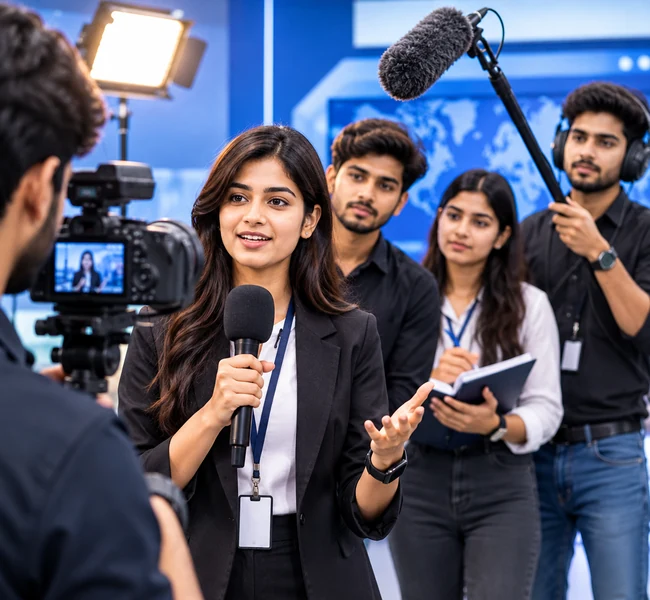
News anchoring training helps students develop their presentation abilities through practical exercises and camera-facing sessions.

Training may cover:

With consistent practice, students can improve their confidence and develop the presentation skills required for television, online news channels, and digital video platforms.

Digital Media and Social Media Training

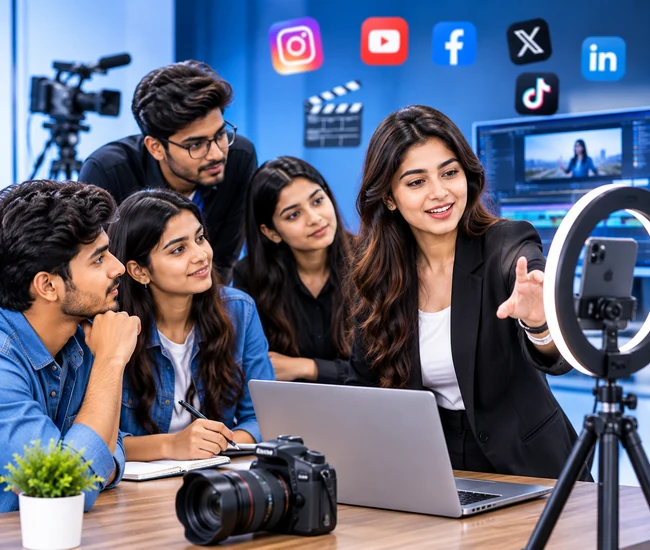
Digital media has transformed the way people consume news, entertainment, and information. Social networking platforms, online publications, video-sharing websites, and digital news portals have created new career opportunities for media professionals.

A modern media training programme should introduce students to digital content creation and online communication strategies.

Digital media training can include:
Understanding digital media platforms helps students adapt to changing industry requirements and explore opportunities in digital publishing, online journalism, and content production.

Video Editing and Production Training

Journalism is one of the most popular career choices in the media industry. It involves gathering information, researching important topics, conducting interviews, writing news stories, and presenting information to the public.

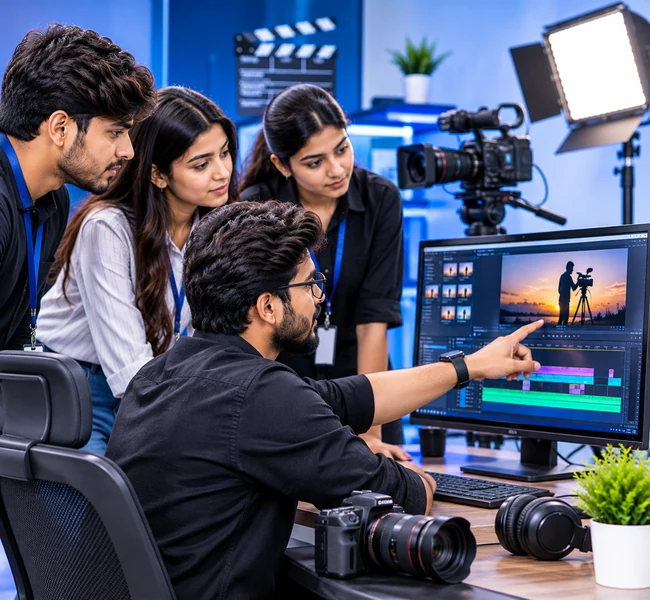
Video editing training helps students understand the complete production process, from planning and recording to editing and final delivery.

Important areas of journalism training include:

Students interested in filmmaking, television production, YouTube content creation, and advertising can benefit from developing these technical skills.

Photography and Videography Training

Photography and videography are important skills in modern media production. Professional photographers and videographers work across journalism, advertising, events, entertainment,and digital marketing.

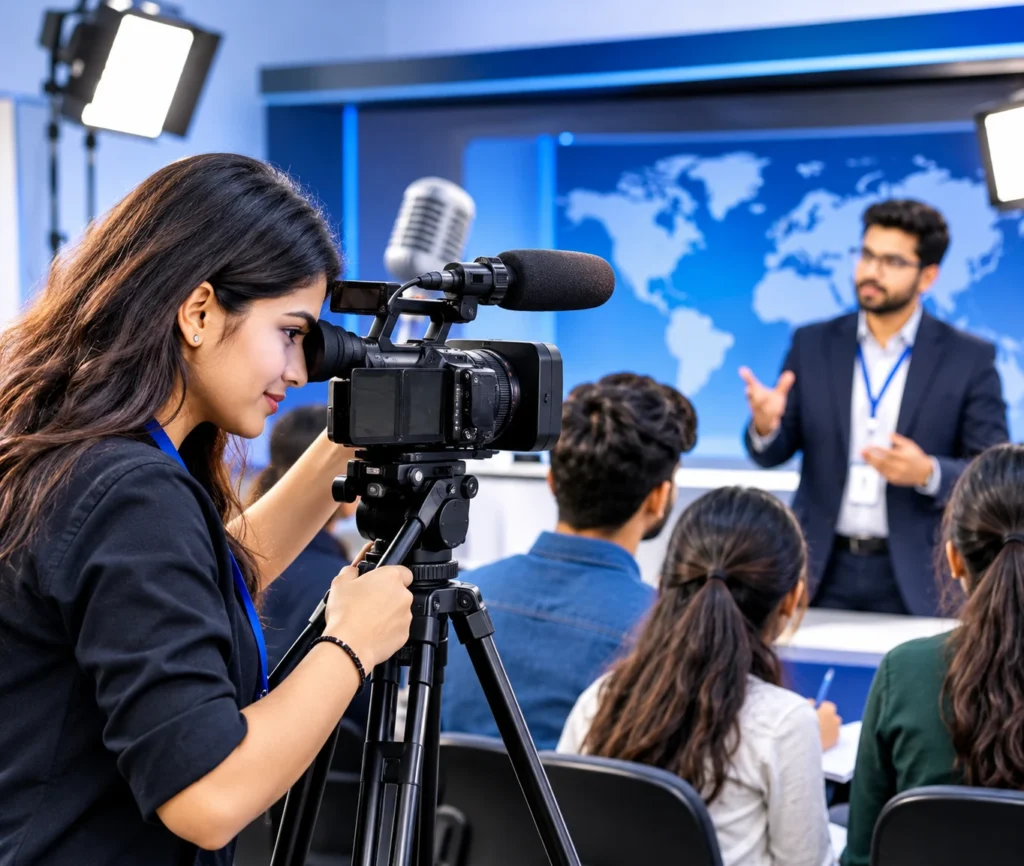
A practical photography and videography course can help students understand camera equipment, lighting, framing, composition, and visual storytelling.
Training topics may include:
Learning these skills can help students explore professional opportunities in photography studios, media companies, production houses, and freelance projects.

Film Making and Creative Media Production

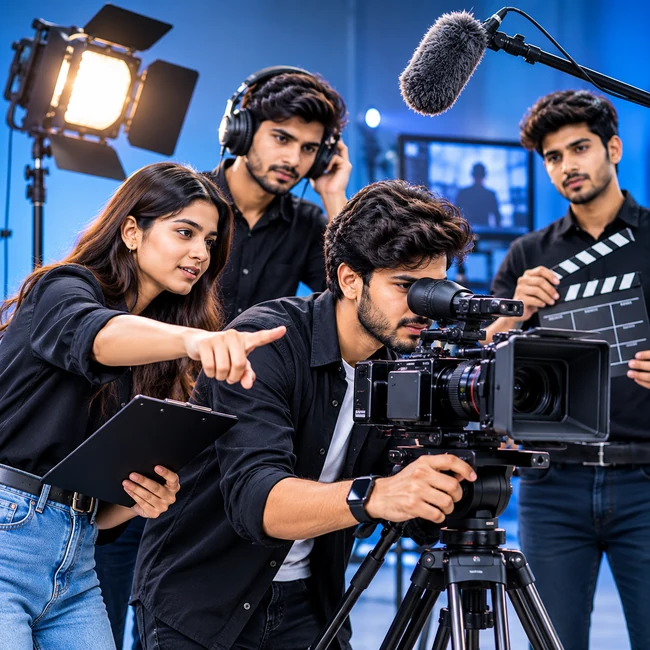
Filmmaking combines creativity, storytelling, technical knowledge, and teamwork. It includes multiple stages, such as scriptwriting, pre-production planning, shooting, editing, and post-production.
Students interested in creative media can explore the fundamentals of filmmaking and understand how professional video projects are developed.
A filmmaking training programme may cover:

These skills can help aspiring filmmakers understand the production process and prepare for opportunities in independent filmmaking, advertising, entertainment, and digital video production.

Practical Training and Industry-Oriented Learning

The media industry requires professionals who can work confidently in real situations. Practical training plays an important role in helping students apply their knowledge and improve their professional abilities.

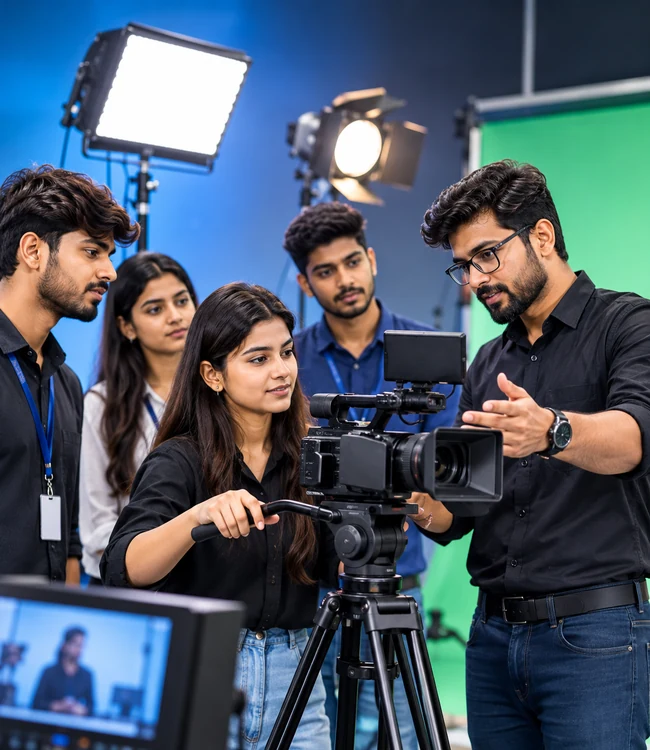
A career-oriented media institute should focus on activities that allow students to practise their skills instead of depending entirely on classroom learning.
Practical learning opportunities may include:

These activities help students understand professional workflows and build confidence while working on different media projects.

Career Opportunities After Media Training

Completing professional media training can help students explore different career paths depending on their interests, skills, and qualifications.
Some potential career opportunities include:
Career opportunities depend on practical experience, portfolio quality, individual performance, and employer requirements.

Who Can Join a Media Training Course?

Media training can be useful for individuals who want to develop professional communication and creative skills.
The programmes may be suitable for:
Course eligibility, duration, fees, and certification requirements should be confirmed directly with the institute.

Why Practical Media Skills Matter in Today's Industry

Modern media professionals need a combination of creativity, communication, technical knowledge, and adaptability. Traditional journalism skills remain important, but digital platforms have expanded the types of content professionals are expected to create.

Students should understand how to research information, communicate clearly, operate media equipment, create engaging videos, and follow ethical content practices.

Developing these skills can improve professional confidence and help students prepare for different opportunities across the media and entertainment industry.

Choose the Right Media Training Institute in Lucknow

Before joining a media training programme, students should evaluate the institute’s curriculum, trainers, practical facilities, equipment, course duration, and learning opportunities.

It is also important to understand whether the institute provides practical assignments, portfolio development, internships, placement assistance, or industry exposure. Students should verify these facilities and avoid relying only on promotional claims.

It is also important to understand whether the institute provides practical assignments, portfolio development, internships, placement assistance, or industry exposure. Students should verify these facilities and avoid relying only on promotional claims.

Start Your Media Career Today

If you are passionate about journalism, television, filmmaking, photography, or digital content creation, professional media training can help you develop the skills needed to move forward.

Explore the available media courses, understand the training structure, and choose a programme that matches your career interests. With consistent practice, dedication, and the right guidance, you can work towards building a successful career in the growing media industry.

Contact us today to learn more about media training programmes, course details, admission procedures, and learning opportunities. Take the first step towards your future in media and journalism.
//_Faq’s_//

Frequently Asked
Questions.

Find clear answers to common questions about our consulting services, process, and business expertise.

List

Still Have Questions?

send us an email.
quick response

Work with the same creatives each time no friction.

A Media Training Institute provides education and practical training in journalism, mass communication, news presentation, photography, videography, video editing, and digital media.

Common media training programmes include journalism, news anchoring, mass communication, video editing, photography, videography, filmmaking, and digital journalism.

Students, graduates, aspiring journalists, content creators, and individuals interested in media and communication can explore suitable training programmes.

Career options may include journalist, news anchor, video editor, photographer, camera operator, content creator, radio jockey, and production assistant.

Yes. Practical training helps students develop reporting, communication, camera-facing, interviewing, and content production skills.

Compare the curriculum, faculty experience, practical facilities, equipment, course fees, certification, and career support before enrolling.

Yes. Many media training programmes cover digital journalism, social media content creation, video editing, and online publishing.

No training programme can guarantee employment. However, practical skills, experience, a strong portfolio, and professional communication can improve career opportunities.